

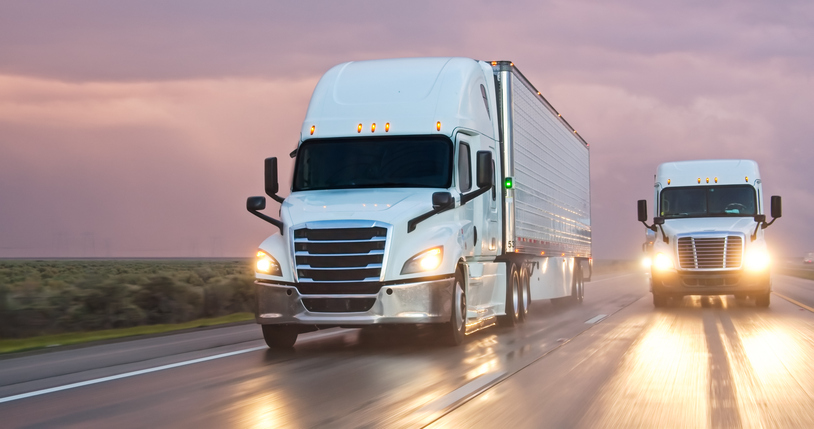
Truck drivers face changing road conditions every day, especially throughout the Midwest. Rainstorms, changing temperatures, and sudden weather shifts can quickly turn a routine trip into a more challenging drive. At the same time, every load leaving a shipper’s facility must be properly secured to help ensure it arrives safely and without incident. While wet weather driving and load securement are different aspects of trucking, both come down to the same principle: preparation matters.
Whether you’re a company driver, owner-operator, or independent carrier, taking a few extra precautions can help protect yourself, your cargo, your customers, and everyone else sharing the road.
Wet Weather Driving Requires a Different Approach
Rain doesn’t have to be severe to create dangerous conditions.
Even light rain can reduce traction, increase stopping distances, and make it more difficult to react to unexpected situations. When roads become wet, drivers often need to adjust their driving habits accordingly.
Slow Down and Increase Following Distance
One of the simplest ways to improve safety during wet weather is reducing speed.
When pavement is wet:
- Tires have less traction
- Stopping distances increase
- Reaction time becomes more important
- Hydroplaning risks increase
Leaving additional space between your truck and the vehicle ahead provides more time to react if traffic slows unexpectedly.
Avoid Sudden Braking and Sharp Steering
Abrupt movements can create problems on slick roads.
Whenever possible:
- Brake gradually
- Accelerate smoothly
- Avoid sudden lane changes
- Make steering inputs carefully
Maintaining smooth vehicle control becomes even more important when hauling freight through changing weather conditions.
Watch for Standing Water and Hydroplaning
Standing water is one of the most common wet-weather hazards drivers encounter.
Hydroplaning occurs when tires lose contact with the road surface due to a layer of water between the tire and pavement.
Areas that deserve extra attention include:
- Low spots on highways
- Construction zones
- Road shoulders
- Poorly drained intersections
- Heavy rain accumulation areas
If you encounter standing water, reduce speed and proceed cautiously rather than attempting sudden maneuvers.
Visibility Is Just as Important as Traction
Rain doesn’t only affect road conditions. It also affects what drivers can see and how well other motorists can see them. To ensure safe wet weather driving, use the following tips.
Use Lights Properly
Headlights help improve visibility during rain and low-light conditions.
Drivers should also make sure:
- Marker lights are functioning properly
- Turn signals are clearly visible
- Reflective equipment remains clean
Keep Windshields Clear
Visibility equipment should be checked regularly, including:
- Windshield wipers
- Washer fluid
- Defrosters
- Mirrors
Clear visibility is one of the most important safety tools available to any driver.
Bridges, Ramps, and Curves Deserve Extra Attention
Certain roadway features can become more challenging during wet weather.
Drivers should use additional caution when approaching:
- Highway ramps
- Curved road sections
- Elevated bridges
- Exit ramps
- Construction detours
These areas often require reduced speeds even in normal conditions, and wet pavement can make them even less forgiving.
Midwest Weather Can Change Quickly
Drivers throughout Illinois, Iowa, Wisconsin, Indiana, Michigan, and Ohio know that weather forecasts don’t always tell the whole story.
A clear morning can quickly turn into a rainstorm later in the day. It’s why wet weather driving awareness is so important.
Planning ahead may include:
- Monitoring weather forecasts
- Checking route conditions
- Allowing additional travel time
- Communicating delays when necessary
Preparation helps reduce surprises and supports safer operations throughout the trip.
Load Securement Starts Before the Truck Moves
Safe transportation isn’t just about driving. Proper load securement plays a major role in protecting cargo and maintaining vehicle stability.
Every load should be treated as if it will encounter sudden stops, rough pavement, weather changes, and heavy traffic conditions.
Conduct a Thorough Pre-Trip Inspection
Before leaving a facility, drivers should verify that the load is ready for transport.
Items to inspect may include:
- Straps
- Tie-downs
- Chains
- Doors
- Trailer seals
- Securement equipment
- Trailer condition
Taking a few extra minutes before departure can help prevent larger problems later.
Verify Weight and Load Balance
Improperly distributed freight can affect vehicle handling and braking performance.
When applicable, drivers should confirm:
- Load placement
- Weight distribution
- Axle weights
- Trailer balance
Properly balanced loads help support safer and more predictable vehicle operation.
Re-Check Securement During Stops
Load conditions can change during transit.
Road vibration, weather conditions, and normal vehicle movement may affect securement equipment over time.
When appropriate, drivers should use scheduled stops to inspect:
- Straps and tie-downs
- Trailer doors
- Cargo position
- Equipment condition
These checks help identify potential issues before they become larger problems.

Proper Securement Protects Everyone
Load securement isn’t simply about protecting freight.
It also helps protect:
- Drivers
- Customers
- Other motorists
- Equipment
- Company reputation
Safe transportation depends on every part of the process working together, from loading and securement to driving and delivery.
At Stoller Trucking, professionalism and accountability remain central to how we serve customers throughout the Midwest. Safe operations help ensure freight arrives as expected while supporting the drivers who make those deliveries possible.
Safety Is Part of Strong Transportation Service
Since 1997, Stoller Trucking has built long-term relationships with customers by emphasizing communication, dependable service, and responsible operations.
Whether hauling dry van freight or transporting non-hazardous liquid products, safety remains a priority for both drivers and customers. It’s why we believe in educating our drivers on wet weather driving and load securement — as well as other important topics.
Dependable transportation starts with experienced drivers who understand the importance of preparation, awareness, and attention to detail every day they’re on the road.
Looking for a Carrier That Values Safety?
Whether you’re interested in becoming a Company Driver, joining as an Owner-Operator, or partnering as an Independent Carrier, Stoller Trucking is always interested in connecting with drivers who take pride in safe, professional operations.
Need dependable transportation support for your business? Learn more about Stoller’s Freight and Shipping Services and discover how our team helps manufacturers, agricultural operations, food producers, and distributors move freight throughout the Midwest.
Interested in driving for a Midwest carrier that values safety, professionalism, and respect? Learn more about Careers at Stoller Trucking today.