

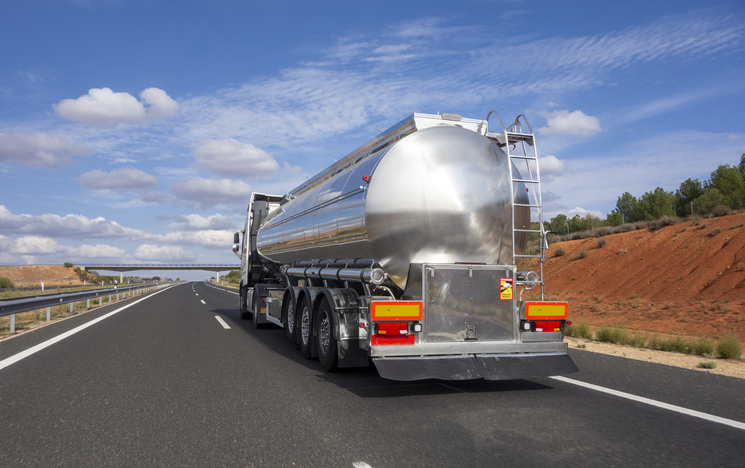
When businesses need to move freight, one of the first decisions is determining what type of transportation equipment is required. While many shipments move successfully in a dry van trailer, others require specialized equipment designed specifically for liquid products. Understanding the difference between tanker freight vs dry van freight can help shippers choose the right transportation solution while avoiding delays, product issues, and unnecessary costs.
At Stoller Trucking, we provide both Dry Van & General Freight Services and Non-Hazardous Liquid Tanker Transport throughout the Midwest. While both services move freight from one location to another, the equipment, handling requirements, and operating considerations are very different.
What Is Dry Van Freight?
Dry van freight is one of the most common forms of transportation in the trucking industry.
A dry van trailer is an enclosed trailer designed to protect cargo from weather, road debris, and external conditions during transit.
Dry van transportation is commonly used for:
- Palletized freight
- Manufacturing materials
- Packaged goods
- Retail products
- Industrial supplies
- Consumer products
- Non-perishable inventory
Because the freight is enclosed and protected, dry vans are often the preferred option for businesses shipping products that need protection from rain, snow, dirt, and other environmental factors.
Common Dry Van Applications
Many industries rely on dry van transportation every day.
Examples include:
- Manufacturing facilities shipping components
- Agricultural suppliers transporting packaged products
- Retail distribution centers
- Food producers moving shelf-stable goods
- Commercial distributors
For many shippers, dry van freight provides a flexible and efficient solution for moving products throughout the Midwest.
How Dry Van Freight Is Loaded and Unloaded
Most dry van shipments are loaded using:
- Forklifts
- Pallet jacks
- Loading docks
Cargo is typically secured inside the trailer using straps, load bars, or other freight securement methods.
Once loaded, the freight remains relatively stable throughout transport compared to liquid cargo.
This predictability makes dry van transportation suitable for both full truckload (FTL) shipments and certain less-than-truckload (LTL) applications.
What Is Tanker Freight?
Tanker freight is designed specifically for transporting bulk liquids.
Unlike dry van freight, which carries products in boxes, pallets, or containers, tanker transportation moves liquid products directly inside a specialized tank trailer.
At Stoller Trucking, our tanker operations focus exclusively on non-hazardous liquid tanker transport.
Examples may include:
- Food-grade liquids
- Agricultural liquids
- Industrial non-hazardous liquids
- Other bulk liquid products
These shipments require specialized equipment and handling procedures that differ significantly from traditional freight transportation.
Tanker Freight Requires Specialized Equipment
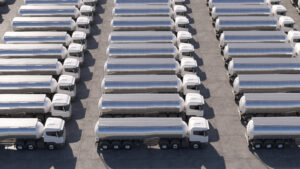
The most obvious difference between tanker and dry van transportation is the equipment itself.
Tanker trailers are specifically engineered to transport liquid cargo safely.
Because liquids move during transit, tanker equipment must account for:
- Liquid movement
- Weight distribution
- Product containment
- Loading requirements
- Unloading procedures
Unlike palletized freight, liquid cargo cannot simply be secured in place with straps or load bars.
The trailer itself becomes the container.
Understanding Liquid Surge
One of the unique challenges of tanker transportation is liquid surge.
As a tanker accelerates, brakes, or changes direction, the liquid inside the tank naturally shifts.
This movement can affect vehicle handling and requires drivers to operate differently than they would with a dry van trailer.
Managing liquid surge safely requires:
- Experience
- Proper training
- Defensive driving techniques
- Awareness of road conditions
This is one reason why tanker transportation requires specialized driver knowledge and skill.
Loading and Unloading Are Different
The loading process for tanker freight differs significantly from dry van operations.
Dry Van Loading
Dry van freight typically involves:
- Dock loading
- Palletized cargo
- Forklift operations
- Manual freight securement
Tanker Loading
Tanker freight often involves:
- Pumps
- Hoses
- Bulk transfer systems
- Product-specific procedures
- Verification of tank cleanliness
The unloading process follows similar specialized procedures depending on the product being transported.
Sanitation and Product Handling Matter
Another major difference is sanitation.
For many liquid products, especially food-grade applications, trailer cleanliness is critical.
Proper tanker operations may involve:
- Cleaning procedures
- Product compatibility verification
- Inspection processes
- Documentation requirements
These additional steps help protect product quality throughout transportation.
Dry van freight also requires proper cargo handling, but sanitation standards are often far more significant in liquid transport operations.
Comparing Tanker Freight and Dry Van Freight
| Dry Van Freight | Tanker Freight |
| Packaged and palletized cargo | Bulk liquid cargo |
| Enclosed trailer | Specialized tank trailer |
| Forklift loading and unloading | Pump and hose transfer systems |
| General freight applications | Non-hazardous liquid transport |
| Minimal cargo movement | Liquid surge considerations |
| Standard freight securement | Product containment within tank |
| Broad commercial applications | Specialized liquid handling requirements |
Which Service Is Right for Your Shipment?
The answer depends entirely on what you’re shipping.
Dry van transportation is often the right choice for:
- Packaged goods
- Retail inventory
- Industrial products
- Manufacturing materials
- General commercial freight
Non-hazardous liquid tanker transportation may be necessary for:
- Bulk liquid products
- Agricultural liquids
- Food-grade liquid shipments
- Industrial non-hazardous liquids
Choosing the proper equipment helps improve efficiency, reduce risk, and ensure freight arrives in the condition expected.
Experience Matters in Both Freight Types
Whether a shipment moves by dry van or tanker, successful transportation depends on communication, planning, equipment, and qualified drivers.
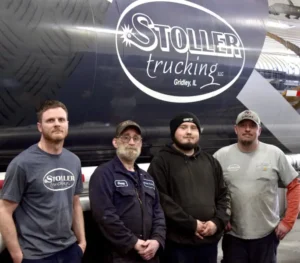
Since 1997, Stoller Trucking has provided dependable transportation solutions throughout Illinois, Iowa, Wisconsin, Indiana, Michigan, and Ohio. Our team understands the unique requirements of both Dry Van & General Freight Services and Non-Hazardous Liquid Tanker Transport, helping customers move freight safely and efficiently across the Midwest.
Strong transportation service starts with experienced drivers, dependable equipment, and a commitment to doing the job right.
Need Transportation Support?
If you’re evaluating transportation options for your business, Stoller Trucking can help determine whether dry van freight or non-hazardous liquid tanker transport is the right fit for your shipment.
Learn more about our Freight and Shipping Services or contact our team to discuss your transportation needs.
And if you’re a driver interested in joining a Midwest carrier that values professionalism, communication, safety, and respect, explore Careers at Stoller Trucking to learn more about opportunities for Company Drivers, Owner-Operators, and Independent Carriers.